
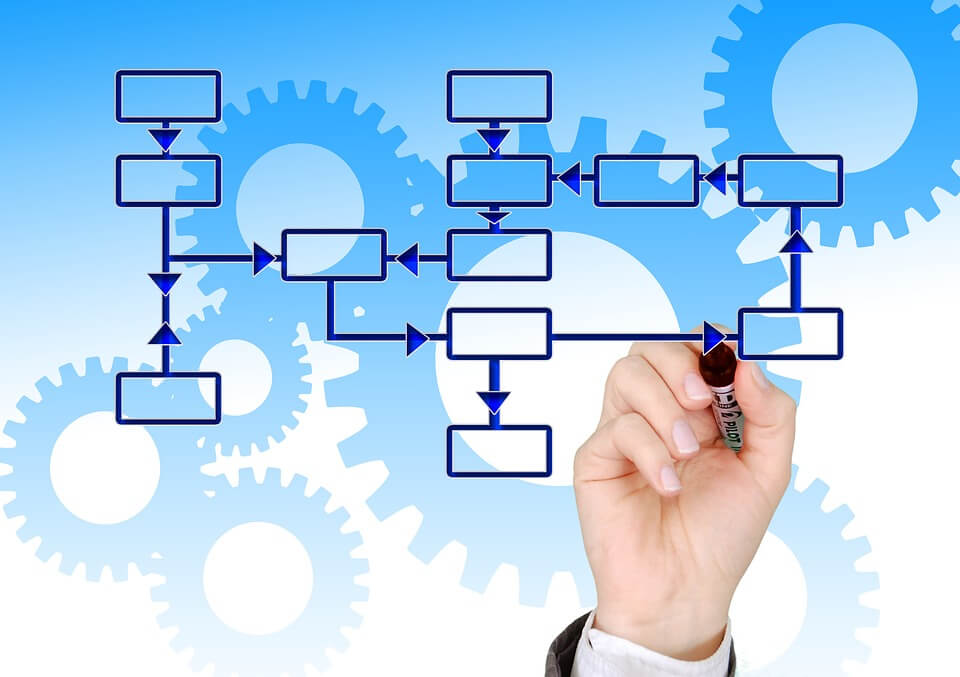
An accessible primer on what constitutes a workflow, how inputs transform into outputs, and how structured orchestration empowers scalable business growth.
Whether planning a major product rollout or approving a single expense claim, every institutional achievement relies on a workflow. At its most fundamental level, a workflow is a repeatable, structured sequence of activities that transforms raw inputs into meaningful business outputs.
The Anatomy of Every Operational Workflow:
1. Input: The raw materials, documents, requests, or data records that initiate the process (e.g., a customer service ticket or a vendor invoice).
2. Transformation: The sequence of steps, validations, calculations, and approvals carried out by human staff or automated algorithms upon the input.
3. Output: The final verified deliverable or state change (e.g., a processed refund, an onboarded employee, or a signed commercial contract).
The Three Common Classes of Workflows:
• Sequential Workflows: Predictable, step-by-step processes where step B strictly requires the completion of step A (e.g., standard employee leave approvals).
• Parallel / State Machine Workflows: Complex operations where multiple departments review components concurrently, or where items transition dynamically between states based on feedback loops.
• Rule-Driven Automated Workflows: Modern workflows where business logic engines make programmatic decisions (e.g., auto-approving expenses below $50 from trusted merchants).
Mastering workflow design and empowering your teams with modern automation tools like eBA transforms disjointed corporate activities into an engine of sustainable commercial excellence.